
The Thread of Heritage: Why the Wa Smock Defines Modern African Elegance
- 1 Introduction & Heritage of the Wa Smock
- 2 Craftsmanship & Production Process of the Wa Smock
- 3 Anatomy & Design of the Wa Smock
- 4 Part 4: Style, Versatility & Modern Use of the Wa Smock
- 5 Psychology of Wearing a Wa Smock
- 6 Economic Impact & Buying with Purpose
- 6.1 1. Supporting Cotton Farmers
- 6.2 2. Empowering Spinners and Yarn Producers
- 6.3 3. The Role of Dyers
- 6.4 4. Weavers: The Heart of the Craft
- 6.5 5. Tailors and Embroiderers: Bringing the Vision to Life
- 6.6 6. Direct-to-Consumer Purchasing: The Modern Advantage
- 6.7 7. Social Responsibility & Ethical Fashion
- 6.8 8. The Multiplier Effect
- 6.9 9. Making an Informed Choice
- 7 Maintenance & Longevity of the Wa Smock
- 8 Why YandaZ is the Place to Shop & Conclusion
Introduction & Heritage of the Wa Smock
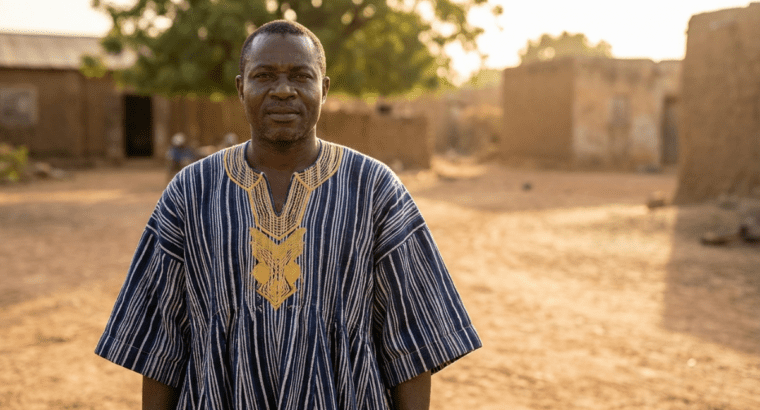
Fashion may come and go, but culture endures. In Northern Ghana, few garments carry as much history, prestige, and identity as the Wa Smock, also called Fugu or Batakari. Worn by men for centuries, this traditional handwoven tunic is more than clothing – it is a statement of status, artistry, and cultural pride.
A Legacy Woven in Time
The story of the Wa Smock begins in Wa, the capital of the Upper West Region of Ghana. Here, weaving is not just a craft—it is a form of communication. Each handwoven strip, each intricate pattern, tells a story of lineage, community, and resilience. Unlike mass-produced textiles, a Wa Smock carries human effort and ancestral knowledge, a combination of skill passed down through generations.
Historically, the smock was worn by chiefs, elders, and warriors. Its designs were not only aesthetic but also symbolic: certain patterns represented bravery, leadership, or community standing. Even today, wearing a smock signals a deep connection to Ghanaian heritage and a respect for the traditions of the Upper West.
The Cultural Significance of the Smock
Beyond aesthetics, the Wa Smock is a cultural emblem. It represents:
- Identity: Northern Ghanaian pride and heritage
- Authority: A garment historically worn by community leaders
- Artistry: Every smock is a product of human skill and creativity
- Continuity: A bridge between past and present generations
The smock is also a social language. Certain embroidery styles, color combinations, and weaving patterns indicate social rank or personal stories. In this way, each smock is unique—no two garments are exactly alike.
Modern Relevance
While rooted in tradition, the Wa Smock has seamlessly entered contemporary life. Today’s men wear it to:
- Traditional ceremonies like durbars, weddings, and festivals
- Corporate environments, pairing it with tailored trousers for a professional yet culturally grounded look
- Casual outings, combining comfort with elegance for city strolls or social gatherings
By wearing a Wa Smock today, you honor your heritage while making a modern fashion statement. It’s a versatile garment that communicates confidence, sophistication, and cultural literacy—all at once.
Why the Smock Endures
One reason the smock remains relevant is its timeless craftsmanship. Unlike fast fashion, which prioritizes speed over quality, a Wa Smock is slow fashion in its purest form:
- Handwoven strips take hours, sometimes days, to assemble
- Organic and synthetic dyes create colors that age gracefully
- Each stitch reflects the artisan’s skill and attention to detail
The smock’s endurance is not just physical—it’s symbolic. It withstands changing trends, colonial influences, and globalization, proving that garments rooted in heritage and purpose never truly go out of style.
Craftsmanship & Production Process of the Wa Smock
The Wa Smock is not just a garment—it is a product of meticulous artistry, patience, and tradition. Every smock tells the story of the artisan’s hands, eyes, and years of experience, transforming simple cotton into a fabric that radiates cultural pride and elegance.
1. The Loom: Heartbeat of Wa
At the core of every smock is the traditional wooden loom, a simple yet ingenious machine that has been in use for centuries.
- Sound and Rhythm: The rhythmic clack-clack-clack of the loom is not just noise; it is the heartbeat of Wa. Artisans often describe the sound as a meditation, a connection to ancestors who wove before them.
- Structure: Each loom produces narrow strips of cotton, usually about four inches wide. These strips are later sewn edge-to-edge to form the full garment.
- Skill: Handling the loom requires years of practice. The artisan must balance tension, ensure even weaving, and maintain consistent color patterns.
Unlike industrial textile machines, the human touch in each strip adds imperfection that enhances authenticity and beauty.
2. Materials: The Soul of the Smock
A Wa Smock is only as good as its materials. Traditionally, artisans use locally sourced cotton, chosen for its softness, strength, and breathability.
- Cotton Spinning: In rural Ghana, women spin raw cotton into thread using hand-spindles. This labor-intensive process ensures quality fibers that will not easily tear or fray.
- Dyeing Process: Colors are carefully prepared using either natural or synthetic dyes. Indigo blue, charcoal black, and vibrant whites dominate the palette. Artisans immerse threads in dye baths multiple times to achieve deep, even color.
- Sustainability: Natural dyes reflect an eco-friendly approach, maintaining tradition while minimizing environmental impact.
The combination of fine cotton and vibrant dye makes each smock visually striking and durably comfortable, perfect for both ceremonial and modern wear.
3. Strip Weaving and Assembly
What sets the Wa Smock apart is its strip-weaving technique.
- Weaving Strips: Each narrow strip is meticulously woven with precision. Patterns may include stripes, diamonds, or geometric motifs.
- Edge-to-Edge Joining: Strips are stitched together by hand, often requiring hours of concentration. A single mistake can disrupt the symmetry and structural integrity.
- Consistency and Variation: Though the goal is uniformity, slight variations in stitching and thread tension create uniqueness—every smock is one-of-a-kind.
This method allows artisans to scale complex designs without machines, preserving both tradition and artistry.
4. Embroidery: The Finishing Touch
Once the strips are assembled, the smock is embellished with hand embroidery, often around the neckline and shoulders.
- V-Neck Embroidery: Provides reinforcement for the heavy fabric while framing the wearer’s face.
- Symbolism: In traditional settings, complex embroidery indicated social rank, bravery, or personal achievements.
- Modern Aesthetic: Today’s smocks retain these ornate stitches for visual elegance, ensuring the garment transitions seamlessly from cultural events to corporate settings.
Even a minor misalignment in embroidery is considered a mark of human craftsmanship, highlighting that this garment is alive with the artisan’s energy.
5. Labor, Time, and Dedication
Creating a single Wa Smock is not a quick task. On average:
- Weaving strips: 2–5 days
- Assembling strips: 1–2 days
- Embroidery and finishing: 1–2 days
In total, a premium handmade smock may take up to a week or more to complete. This dedication is reflected in the price, quality, and cultural value of the final product.
6. Modern Adaptations Without Losing Tradition
While artisans maintain traditional techniques, modern smocks sometimes include:
- Lightweight cotton blends for easier city wear
- Slimmer cuts to appeal to contemporary fashion
- Subtle color variations that suit both casual and professional settings
Despite these adaptations, the essence remains unchanged: each smock is a product of heritage, skill, and identity.
Why Craftsmanship Matters for Buyers
When purchasing a Wa Smock, consider:
- Authenticity: Handmade smocks are different from mass-produced imitations.
- Cultural Value: Every stitch and pattern represents history and pride.
- Durability: Time-intensive handwoven fabrics last decades when cared for properly.
- Support to Artisans: Buying authentic smocks sustains communities and preserves traditional crafts.
Anatomy & Design of the Wa Smock
At first glance, a Wa Smock may appear as a simple tunic. But for those who appreciate craftsmanship and design, it is a structural masterpiece, where every line, stitch, and pattern contributes to its beauty, symbolism, and function.
1. Warp and Weft: The Structural Backbone
The fabric of the Wa Smock is created through warp and weft weaving, which gives it both durability and elegance.
- Warp Threads: Vertical threads provide strength and structure. They form the backbone of the fabric, ensuring that the smock maintains its shape even after repeated wear.
- Weft Threads: Horizontal threads interlace with the warp, creating texture and color patterns. The interplay between warp and weft produces the elongating vertical lines that are characteristic of the smock.
- Visual Impact: The geometric arrangement creates a dynamic “moving” effect when the wearer walks, giving the garment a sense of life and motion.
This combination of structural integrity and visual sophistication is what distinguishes the Wa Smock from ordinary clothing.
2. The V-Neck Embroidery: Beauty Meets Function
The neckline of a smock is rarely simple. V-neck embroidery serves multiple purposes:
- Reinforcement: The heavy woven fabric is supported by intricate stitching, preventing deformation over time.
- Aesthetic Frame: The embroidery highlights the wearer’s face, creating a balanced visual appearance.
- Status Symbol: Historically, complex embroidery patterns indicated social rank or wealth. Chiefs and elders often wore smocks with the most intricate designs.
Modern smocks maintain this high standard, making them versatile for both cultural and professional settings.
3. The Triangular Flare: Movement and Presence
One of the most defining features of the Wa Smock is its triangular flare:
- Freedom of Movement: The smock swings naturally when walking, giving the wearer both comfort and a graceful presence.
- Commanding Space: The flare creates an aura of confidence and authority, reminiscent of the ceremonial garments of traditional leaders.
- Weight Balance: A well-tailored smock is heavy enough to feel substantial but light enough to remain breathable in the Ghanaian climate.
This unique combination of design, weight, and movement ensures that the smock is not just worn—it is experienced.
4. Patterns and Symbolism
The visual patterns of the smock are far from arbitrary:
- Stripes: Represent continuity and community.
- Diamonds and Geometric Shapes: Often symbolize leadership, courage, or spiritual concepts.
- Color Coding: Indigo blues may reflect wisdom, blacks denote power, and whites signify purity or celebration.
Every pattern tells a story, making the smock both a garment and a cultural artifact.
5. Sleeves and Shoulder Design
The design of sleeves and shoulders balances comfort with aesthetics:
- Loose Fit: Allows ventilation and freedom of movement.
- Reinforced Shoulders: Handles the weight of the fabric and embroidery.
- Modern Adaptations: Some contemporary smocks have slightly tapered sleeves for a slimmer silhouette, appealing to city fashion trends.
6. Crafting Consistency Without Losing Uniqueness
Even though artisans strive for symmetrical designs, no two smocks are identical:
- Minor variations in stitch length or color intensity are considered artisan signatures.
- Each smock becomes a unique wearable piece of art, reflecting both the culture of Wa and the skill of its maker.
7. Why Anatomy Matters for Buyers
Understanding the anatomy of the Wa Smock helps buyers appreciate:
- Durability: Strong weaving ensures long-lasting wear.
- Versatility: Design elements like flare and embroidery adapt to formal, traditional, and casual settings.
- Cultural Value: Every detail carries historical and symbolic meaning, making the smock more than just clothing.
Part 4: Style, Versatility & Modern Use of the Wa Smock
The Wa Smock is not just a ceremonial garment—it is a versatile fashion statement that blends heritage with modern lifestyle. From traditional durbars to corporate boardrooms, and from weddings to casual outings, the smock adapts to every occasion, proving its timeless relevance.
1. Traditional Ceremonies: Durbar & Festivals
In Northern Ghana, durbars and festivals are occasions where culture is celebrated with grandeur. The Wa Smock is central to these events:
- Symbol of Authority: Chiefs, elders, and community leaders wear smocks to assert respect and leadership.
- Visual Elegance: Handwoven patterns and bold colors ensure the wearer stands out in crowds.
- Ceremonial Significance: Certain embroidery and color combinations denote lineage or achievements, making the garment both aesthetic and symbolic.
Wearing a smock at a traditional event is not just fashion—it is a cultural statement that honors centuries of heritage.
2. Corporate & Professional Styling
Modern Ghanaian men are increasingly merging tradition with professionalism. The Wa Smock provides a unique alternative to Western suits:
- Office Wear: Pair a dark-toned smock with slim-fit trousers and polished shoes. The result is an outfit that exudes authority, confidence, and cultural pride.
- Business Meetings: A well-fitted smock signals sophistication while standing out from conventional corporate attire.
- Tech Hubs & Creative Spaces: Smocks in neutral colors or subtle patterns allow professionals to maintain comfort and style without compromising office norms.
This modern adaptation makes the smock an unexpected power wardrobe piece, ideal for professionals who value both heritage and contemporary aesthetics.
3. Weddings & Social Gatherings
Weddings in Ghana often request traditional attire, and the Wa Smock is the ultimate choice:
- Groom & Guest Wear: Smocks allow freedom of movement while dancing, socializing, and celebrating.
- Variety in Design: From heavily embroidered pieces to simpler, elegant versions, there is a smock for every wedding style.
- Contrast with Kente & Lace: While Kente wraps or lace outfits may feel formal or rigid, the smock balances comfort with regality, letting the wearer participate actively in festivities.
The smock’s versatility in social settings makes it a go-to garment for events requiring both style and comfort.
4. Casual & Everyday Wear
The Wa Smock is not limited to grand occasions. Modern adaptations allow it to be part of everyday wardrobes:
- Weekend Outings: Pair a light-colored smock with chinos for brunch, city walks, or casual meetups.
- Breathable Comfort: Handwoven cotton ensures air circulation, making it ideal for the warm Ghanaian climate.
- Effortless Style: Even without accessories, a smock commands attention with its patterns, flare, and craftsmanship.
By embracing casual wear, the smock becomes a daily expression of identity, blending heritage with modern lifestyle effortlessly.
5. Gender-Neutral & Modern Adaptations
While traditionally worn by men, contemporary designers are creating gender-neutral versions:
- Slim Cuts & Tailoring: Adapted for women or individuals preferring modern silhouettes.
- Color Variations: Softer palettes, pastels, and monochromes for urban fashion sensibilities.
- Functional Details: Adjustable sleeve lengths and lighter fabrics make smocks suitable for office, travel, and casual wear.
This evolution ensures the Wa Smock remains relevant, appealing to new generations without compromising its cultural essence.
6. Styling Tips for Maximum Impact
- Pairing with Modern Clothing: Combine smocks with trousers, denim, or even tailored shorts for a fusion look.
- Accessorizing: Minimalist watches, leather shoes, or simple jewelry enhance sophistication without overshadowing the garment.
- Layering: Light jackets or blazers over smocks can create a hybrid traditional-meets-modern outfit.
The Wa Smock is more than a garment—it is a canvas for creativity, allowing wearers to express personality, status, and cultural awareness.
Psychology of Wearing a Wa Smock
Clothing is not just about covering the body—it profoundly influences how we feel, think, and interact with the world. The Wa Smock, with its rich cultural heritage, distinctive design, and handwoven craftsmanship, does more than make a statement—it shapes the wearer’s mindset and projects a unique aura of confidence and authority.
1. Enclothed Cognition: How Clothes Affect Mindset
Fashion psychologists describe the concept of Enclothed Cognition—the idea that what we wear affects our psychological state and behavior. When wearing a Wa Smock:
- Groundedness: The weight and structure of the handwoven cotton give a tangible sense of security, grounding the wearer physically and mentally.
- Confidence Boost: Traditional significance and elegance of the smock instill self-assurance, helping individuals carry themselves with pride in both social and professional settings.
- Cultural Identity: Wearing a smock connects the wearer to ancestry, heritage, and community, reinforcing a sense of belonging and self-respect.
In essence, a smock is more than attire—it is psychological armor that enhances perception and presence.
2. Projecting Authority & Respect
The smock is historically a garment of leaders, elders, and icons. Wearing one today carries an unspoken message of authority:
- In Ghana, even a modern boardroom recognizes the smock as a sign of cultural literacy and leadership.
- Its structured silhouette, triangular flare, and intricate embroidery naturally command attention.
- It signals to others: “I know who I am, and I honor my roots,” which often results in instant respect.
Unlike generic suits, which blend into corporate uniformity, the Wa Smock stands out without arrogance, combining individuality with heritage.
3. Embracing Uniqueness & Individuality
No two smocks are identical. The handwoven nature ensures subtle variations in color, texture, and stitch patterns. This uniqueness:
- Makes each smock a personalized piece of art
- Reinforces individuality in social and professional contexts
- Encourages the wearer to embrace imperfection as a symbol of authenticity
In a world dominated by mass-produced clothing, wearing a Wa Smock is an act of self-expression and originality.
4. Cultural Pride & Emotional Connection
Wearing a smock connects the wearer to Ghanaian heritage, which has profound psychological effects:
- Pride and Empowerment: Celebrating one’s culture fosters confidence and self-esteem.
- Emotional Resonance: Patterns, colors, and textures evoke memories, stories, and shared traditions, creating a deep emotional attachment to the garment.
- Symbolic Statement: Choosing a smock over Western fashion signals respect for one’s roots and an understanding of cultural value.
5. Social Influence & Perception
Studies in fashion psychology show that what you wear influences how others perceive you. A Wa Smock communicates:
- Authority: Structured design and historical significance project leadership qualities
- Elegance: Intricate patterns and vibrant colors signal refinement
- Cultural Awareness: Wearing a smock indicates respect for tradition and social intelligence
- Professional Savvy: When paired with modern attire, it bridges heritage with contemporary fashion, making the wearer memorable in both social and work environments
6. Everyday Confidence & Mindset
Wearing a smock impacts more than first impressions—it affects the wearer’s internal state:
- Enhanced Focus: The sense of pride and cultural connection can improve mental clarity and focus.
- Positive Mood: Wearing a garment with personal and cultural significance often increases happiness and satisfaction.
- Behavioral Influence: Confidence, authority, and comfort in a smock naturally influence interactions, decision-making, and communication.
Economic Impact & Buying with Purpose
Purchasing a Wa Smock is more than a fashion choice—it is a conscious investment in heritage, craft, and community. Each smock represents the culmination of a complex ecosystem of artisans, farmers, and small businesses, sustaining livelihoods while preserving centuries-old traditions. Understanding the economic impact highlights the real value beyond the garment itself.
1. Supporting Cotton Farmers
The journey of every smock begins with raw cotton:
- Rural Economies: Cotton farmers in Northern Ghana depend on consistent demand to sustain their families and communities.
- Organic vs. Conventional Farming: Many smocks use organic cotton, promoting environmentally responsible farming practices.
- Fair Compensation: Direct-to-consumer sales ensure that farmers receive better prices than through conventional middlemen.
When you purchase a smock, you are directly empowering local farmers, ensuring that traditional agricultural practices continue.
2. Empowering Spinners and Yarn Producers
After harvesting, raw cotton is processed by spinners, often women in rural communities:
- They transform raw fibers into strong, pliable threads suitable for weaving.
- Their expertise ensures uniformity in tension and texture, which is critical for the durability of the smock.
- Every purchase supports gender-inclusive employment, empowering women economically and socially.
This stage demonstrates how the smock fosters community equity and skill retention.
3. The Role of Dyers
Dyers are masters of color, chemistry, and artistry:
- Using natural and synthetic pigments, they achieve iconic indigo, black, and white palettes.
- Proper dyeing ensures longevity and vibrancy, enhancing the garment’s appeal.
- Supporting dyers means sustaining a heritage craft, preventing the loss of traditional dyeing techniques.
4. Weavers: The Heart of the Craft
Weavers transform threads into the recognizable strips of the Wa Smock:
- Each strip is handwoven, a process requiring patience, precision, and years of experience.
- Weavers preserve cultural patterns that have been passed down through generations.
- By purchasing handmade smocks, buyers directly reward artisan skill, bypassing mass-production intermediaries.
5. Tailors and Embroiderers: Bringing the Vision to Life
The final stages—cutting, sewing, and embroidery—require meticulous attention:
- Tailors assemble the strips into the final garment, ensuring geometric precision and fit.
- Embroiderers add finishing touches that signal status, identity, and style.
- These roles complete the smock ecosystem, sustaining a network of skilled laborers across Northern Ghana.
6. Direct-to-Consumer Purchasing: The Modern Advantage
Platforms like YandaZ allow buyers to access authentic Wa Smocks without inflated boutique markups:
- Transparent Pricing: A GH₵500 smock reflects the true value of handmade labor.
- Sustainable Consumption: Each purchase bypasses fast fashion cycles, promoting slow fashion principles.
- Cultural Preservation: Buyers participate in keeping the art of weaving alive.
7. Social Responsibility & Ethical Fashion
Buying a Wa Smock is a statement of social responsibility:
- You contribute to fair wages for artisans.
- You preserve traditional craft techniques that might otherwise vanish.
- You encourage sustainable, local economies, reducing reliance on mass-produced clothing.
8. The Multiplier Effect
The impact extends beyond direct sellers:
- Cotton farmers invest earnings back into their farms.
- Spinners and dyers spend on local goods and services.
- Tailors and embroiderers can support apprentices, passing on skills to the next generation.
Every purchase creates a ripple effect, benefiting the larger community economically and culturally.
9. Making an Informed Choice
When shopping for a Wa Smock:
- Check Authenticity: Ensure it is handwoven and handmade, not machine-produced.
- Consider Impact: Buying from verified artisans maximizes positive economic and social effects.
- Value Over Cost: GH₵500 may seem high compared to generic shirts, but it is an investment in craftsmanship, culture, and community.
Maintenance & Longevity of the Wa Smock
A Wa Smock is more than just a piece of clothing—it is an investment in culture, craftsmanship, and heritage. To ensure that this garment maintains its elegance, structure, and vibrancy over time, proper care is essential. By following the right maintenance practices, a smock can remain a timeless wardrobe piece, passed down through generations.
1. Understanding the Fabric
The Wa Smock is made from handwoven cotton strips, often dyed with natural or synthetic pigments:
- Weight and Texture: The handwoven strips make the fabric heavier than mass-produced cotton, giving it structure and drape.
- Vulnerability: The cotton is strong, but excessive exposure to harsh conditions can damage the weave and fade the colors.
- Uniqueness: Each smock may have slight variations due to its handmade nature, so extra care preserves these artisan fingerprints.
Understanding these qualities helps in selecting the right maintenance methods.
2. Cleaning Recommendations
Proper cleaning ensures longevity:
- Dry Cleaning is Ideal: Professional dry cleaning preserves the integrity of dyes and the structure of the weave.
- Gentle Hand Wash: If washing at home, use mild detergents in cold water, and avoid vigorous scrubbing.
- Avoid Machine Washing: Machine cycles can distort the fabric, weaken the threads, and ruin embroidery.
Following these guidelines ensures the smock retains its original look and feel.
3. Drying & Storage
Correct drying and storage prevent damage:
- Avoid Direct Sunlight: Prolonged exposure to harsh sun fades colors and weakens fibers. Dry in a shaded, airy area.
- Folding vs. Hanging:
- Fold: For long-term storage, fold neatly to prevent shoulder stretching.
- Hang: Use a strong, padded hanger to maintain the shape if wearing frequently.
- Protect Embroidery: When folding, avoid crushing embroidered areas to maintain texture and appearance.
Proper storage ensures the smock maintains its silhouette and structural integrity.
4. Ironing & Pressing
- Low Heat Settings: Iron on low to medium heat to avoid scorching.
- Inside-Out Technique: Turn the smock inside out to protect embroidery and prevent shine marks on the fabric.
- Steam: Gentle steaming can remove wrinkles without damaging threads.
Ironing carefully helps the smock look crisp and professional for any occasion.
5. Handling & Wearing Tips
- Minimize Rough Use: Avoid snagging the smock on sharp objects or rough surfaces.
- Layer Mindfully: When layering jackets or vests, ensure they don’t rub harshly against the fabric.
- Rotate Garments: Avoid wearing the same smock daily; rotation reduces wear and tear.
These small precautions extend the lifespan of the garment and preserve its elegance.
6. Repair & Preservation
- Professional Repairs: For loose threads or minor tears, seek a professional tailor familiar with traditional smocks.
- Regular Inspections: Check for wear, especially along seams and edges, to address issues early.
- Preserve Original Colors: Avoid bleach or harsh chemicals that can permanently alter the vibrant hues.
Proper maintenance ensures the smock remains a heritage piece suitable for years of use.
7. Longevity Mindset
Owning a Wa Smock is not about fast fashion—it’s about investing in a lasting garment:
- Cultural Continuity: By preserving the smock, you honor the skill of artisans and the heritage of Northern Ghana.
- Sustainable Fashion: Careful maintenance reduces waste and supports slow fashion principles.
- Heirloom Potential: With proper care, the smock can be passed down, maintaining its historical and emotional value.
Why YandaZ is the Place to Shop & Conclusion
When it comes to purchasing an authentic Wa Smock, trust, transparency, and accessibility are just as important as style and craftsmanship. YandaZ has positioned itself as a platform that connects buyers directly with artisans, ensuring that every purchase is meaningful, ethical, and culturally enriching.
1. Transparency and Authenticity
- Verified Sellers: Each listing on YandaZ is curated to ensure that the smocks are handmade and authentic.
- Clear Pricing: At GH₵500, the price reflects the true value of labor and materials, bypassing unnecessary markups from middlemen.
- Detailed Product Descriptions: Buyers know exactly what they’re getting—fabric type, embroidery details, size specifications, and origin.
This transparency allows customers to shop confidently, knowing they are investing in genuine heritage pieces.
2. Accessibility & Convenience
- Local and International Reach: While based in Kumasi, YandaZ facilitates delivery across Ghana and even internationally, making it easy for buyers far from Wa to access authentic smocks.
- Seamless Ordering: The platform provides a straightforward process—select, contact seller, and purchase—with clear communication channels.
- Responsive Support: Buyers can directly ask questions about sizes, colors, or customization, enhancing the personalized shopping experience.
Accessibility ensures that anyone who values quality and culture can own a Wa Smock without hassle.
3. Ethical and Community-Oriented Shopping
- By purchasing through YandaZ, buyers support local artisans directly, contributing to the livelihoods of weavers, dyers, tailors, and farmers.
- Every transaction is a vote for sustainable and responsible fashion, bypassing mass-produced garments that exploit labor.
- YandaZ fosters a cultural bridge, connecting urban and international markets to traditional craft communities in Northern Ghana.
This combination of ethical responsibility and cultural preservation elevates the buying experience beyond a simple fashion transaction.
4. Why the Wa Smock is the Ultimate Statement of Style
When you wear a smock purchased from YandaZ:
- You project confidence and authority, rooted in tradition yet adaptable for modern life.
- You express individuality, with no two smocks being identical.
- You embrace versatility, from corporate meetings to weddings to casual social gatherings.
- You invest in community and culture, supporting the artisans and preserving heritage.
The Wa Smock is not just a garment—it is a statement of identity, elegance, and social responsibility.
5. Making Your Purchase Count
- Check Listings Carefully: Confirm size, color, and style before purchase.
- Contact Sellers Directly: Ask about customization or special requests to ensure your smock fits perfectly and meets your expectations.
- Wear with Pride: The ultimate value of the smock comes not just from its craftsmanship, but from the confidence and pride it inspires in the wearer.
By making an informed choice on YandaZ, you are claiming a piece of Ghanaian heritage, wearing history, and supporting sustainable fashion.
Conclusion: Claim Your Heritage Today
Fashion trends come and go, but true style is timeless. The Wa Smock embodies centuries of tradition, meticulous craftsmanship, and cultural pride. By choosing a handmade smock:
- You honor artisans and their craft
- You embrace uniqueness and individuality
- You project confidence and authority
- You participate in ethical, sustainable fashion
Do not wait for a special occasion to own this remarkable garment—make every moment special. Visit the YandaZ listing, contact Elizabeth Aduah, and wrap yourself in the story of Wa, where heritage meets modern elegance.
Product Summary:
- Product: Premium Handmade Wa Smocks
- Price: GH₵500
- Seller: Elizabeth Aduah
- Platform: YandaZ.com
Owning a Wa Smock is more than a fashion choice—it is a celebration of culture, craftsmanship, and confidence. Make your statement today.
Leave your comment